DJs
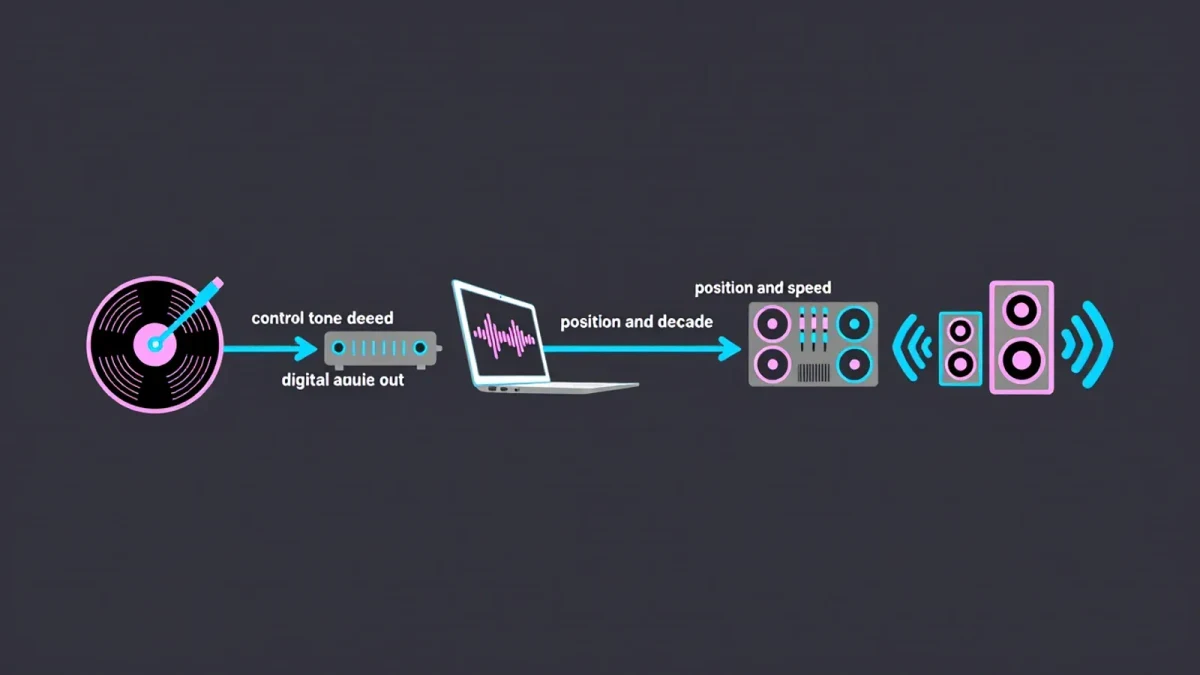
How Digital Vinyl Systems Work: DVS Explained
DVS lets you control digital files with real turntables via timecode vinyl — one signal, two pitches of the same trick, and a bridge a century in the making.
What separates a set that works from one that merely functions: track selection, key and tempo choices, energy pacing, and reading a room live.
DVS lets you control digital files with real turntables via timecode vinyl — one signal, two pitches of the same trick, and a bridge a century in the making.

Harmonic mixing keeps your blends in key using the Camelot wheel — a number-and-letter system any DJ can read in one evening and use for life.

A great set is an arc, not a playlist — here is how working DJs structure two hours, from the first cautious track to the last send-off.
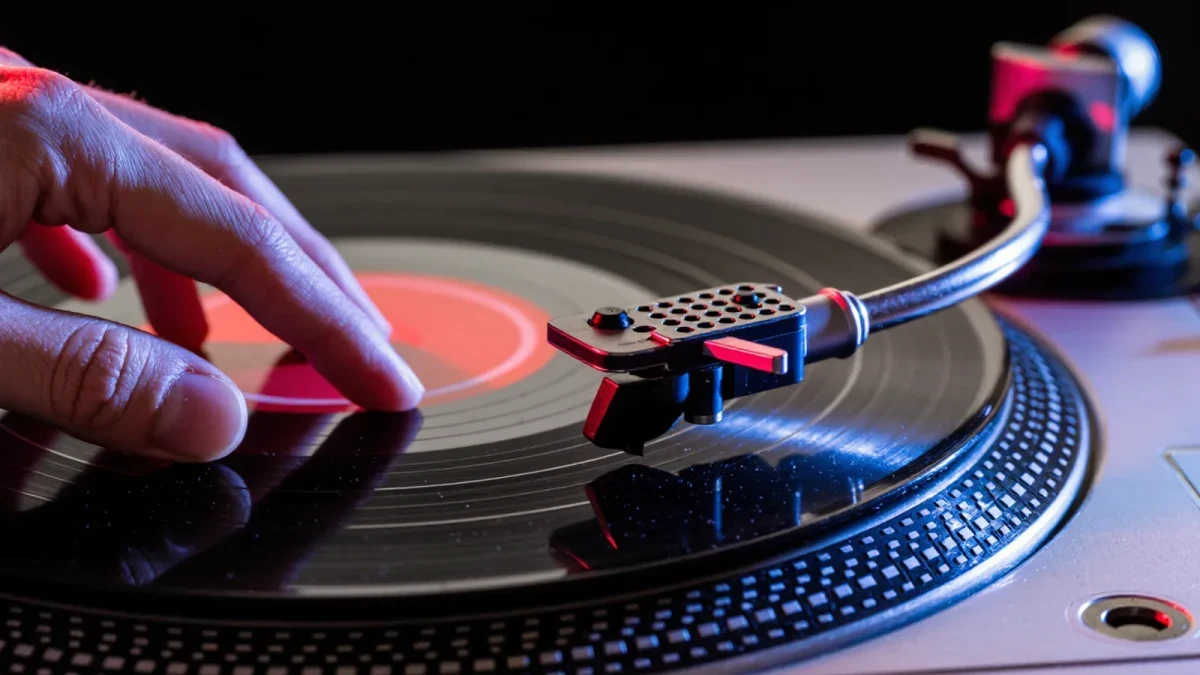
Sync buttons got fast, but ear beatmatching still separates DJs from software operators — here is the complete method, from pitch riding to the two-minute lock.
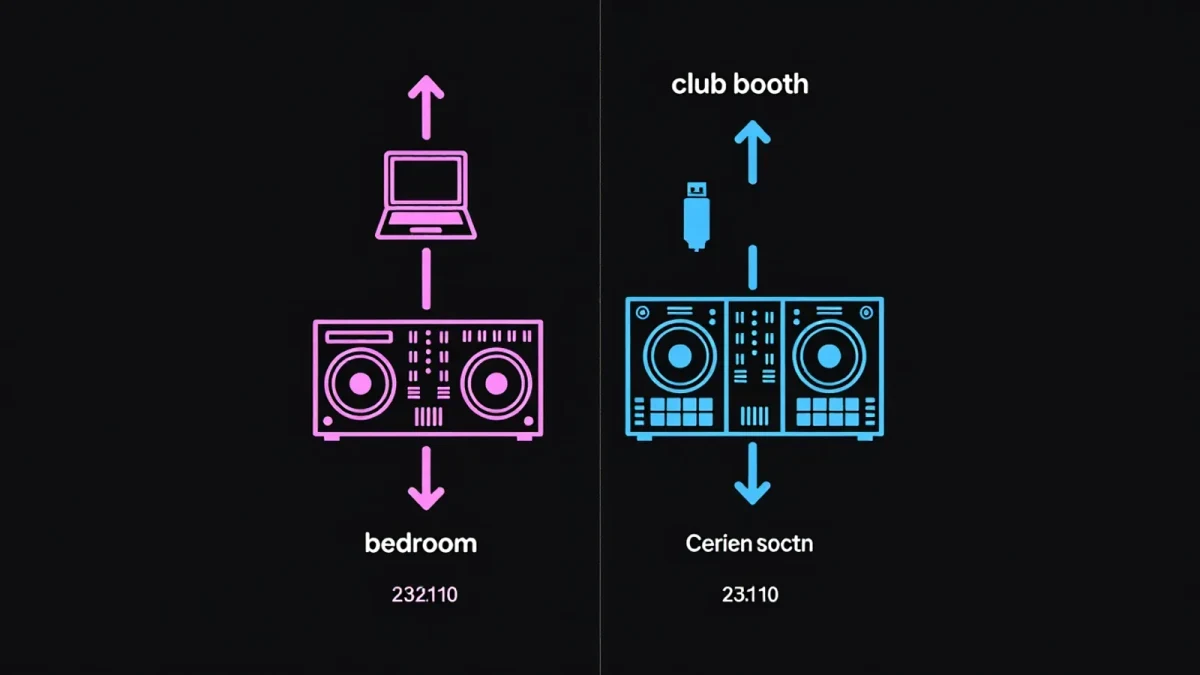
Controllers are the cheapest way in and the CDJ is the club standard — here is how the two paths really compare on cost, workflow and longevity.

Every fader, knob and button on a club mixer explained in plain language, so your first booth session runs on knowledge instead of panic.